Satellite images reveal that more than eight million tonnes of methane were released from energy sector facilities in 2023
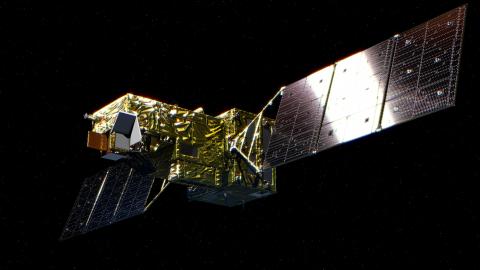
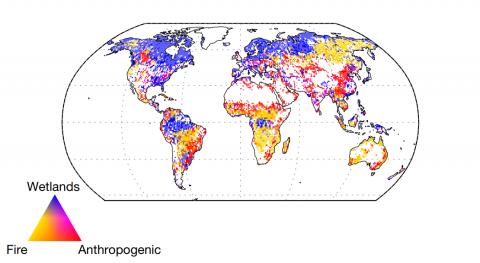
The GHGSat satellite constellation has identified 3,114 oil, gas and coal facilities worldwide that emitted 8.3 million tonnes of methane in 2023, according to data published in the journal Science. These estimates are more accurate than inventories taken on the ground or in the atmosphere.
251211 metano maría josé EN
María José Sanz
Scientific Director of the BC3 Basque Centre for Climate Change
Methane leaks from large gas and oil operations, from gas transport infrastructure (e.g., pipelines), the difficulty in detecting them, and the lack of sensors to identify them, especially in remote areas, pose a significant challenge for comprehensive monitoring and control of methane emissions. GHGSat seeks to address this problem with satellite observations.
This constellation of satellites takes measurements that represent only a few snapshots in time and still have fairly high detection limits (180-200 kg/hr). These measurements can be a key piece, but not the only one, in estimating global methane emissions from point sources of a certain size. They are very useful in cases of large emissions in remote areas (e.g., gas pipeline leaks in remote areas) or to verify some large-volume emissions (such as those resulting from the North Stream explosion). This study presents valuable information to determine their usefulness and limitations.
Dylan Jervis et al.
- Research article
- Peer reviewed